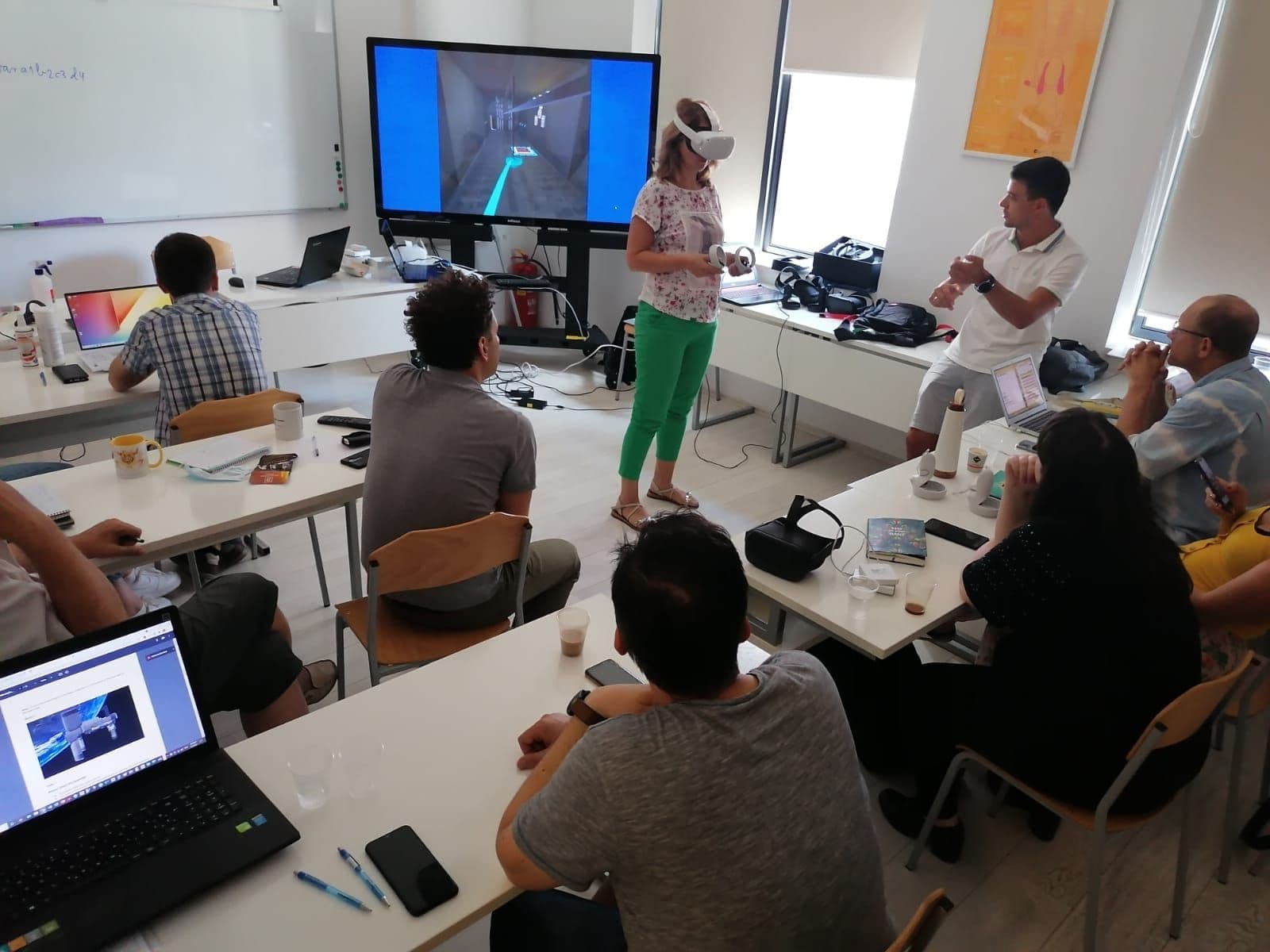

VR experiences
Five places to put your class.
Three are worlds your students work in together. Two are stories they solve together. All five are free, and all five run on a Meta Quest 2 or 3.
Learning environments or escape rooms?
| Virtual Learning Environments | Virtual Escape Rooms | |
|---|---|---|
| What they are | Open, explorable places built around a realistic setting | Narrative scenarios built around a chain of puzzles |
| Who is inside | Several students at once, in a shared lobby | One student explorer at a time |
| Structure | No fixed ending: the teacher chooses the task | A story with a beginning, obstacles and a resolution |
| Best for | Roleplay, process language, collaborative tasks, CLIL | Information-gap work, deduction, narrative tenses |
| Session | 15–25 minutes | 20–35 minutes |
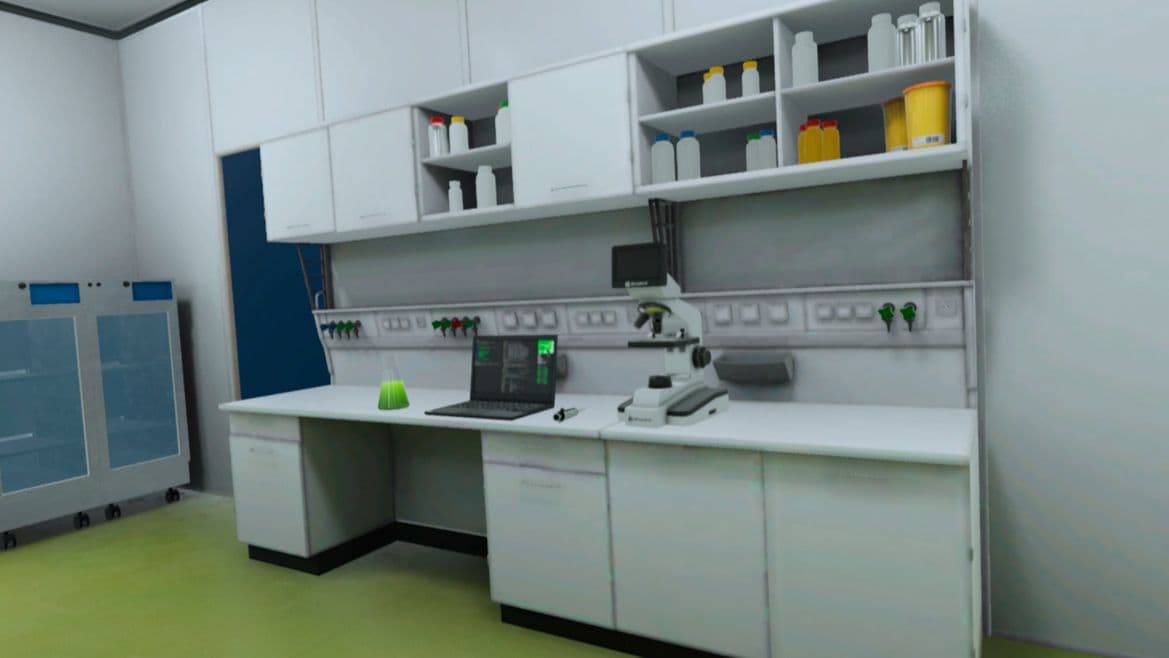
VR4LL 2.0 – Science Lab | Walkthrough
Virtual Learning Environment · Multiplayer
The Science Lab
Handle the equipment, run the experiment, say exactly what you mean.
A working laboratory your students can pick things up in. There is no timer, no score and no wrong answer: the lab is a place to experiment, describe and reason out loud. Students grab equipment, combine materials and watch what happens. There is a character in the lab they can talk to directly: what they say appears on screen, and so does the reply.
Because nothing in the lab happens by accident, students have to say what they intend to do before they do it. That single constraint produces some of the most precise language of any environment in the collection.
Language it produces
- Sequencing and process language
- Instructions and checking
- Hypothesis and speculation
- Describing shape, quantity, position and material
Jobs for the class
- Navigator
- Vocabulary Expert
- Scribe
- Evaluator judges whether each instruction was clear enough to follow
Beyond language
- CLIL: students are not talking about science, they are doing it in the target language.
- Soft skills: precision, patience, giving and following instructions accurately.
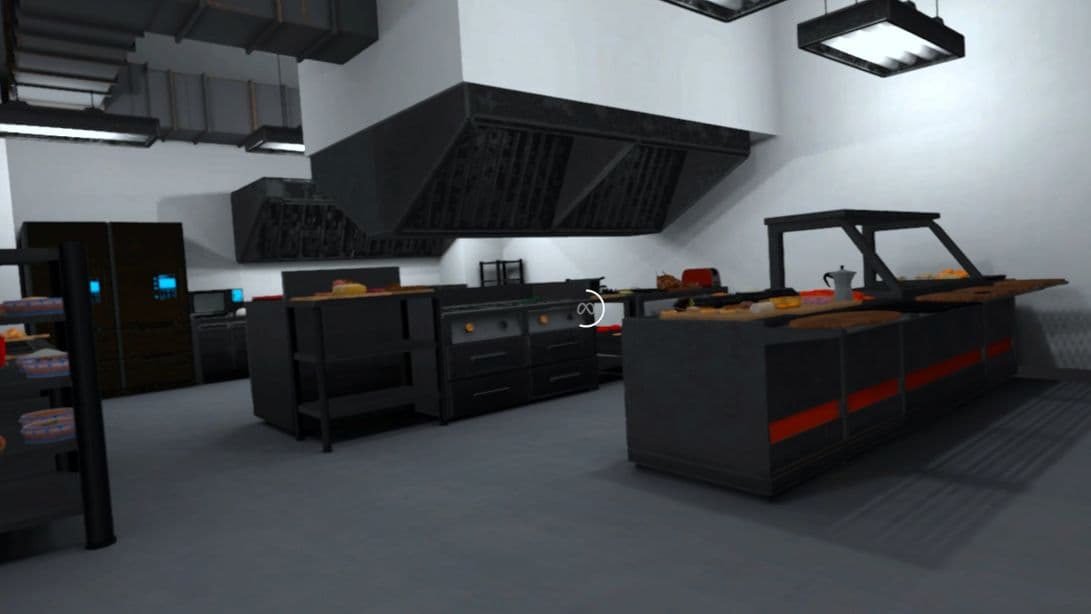
VR4LL 2.0 – Restaurant & Bar | Walkthrough
Virtual Learning Environment · Multiplayer
Restaurant & Bar
Cook it properly, then talk it over at the bar.
Two connected spaces. The first is a professional kitchen with three working stations (eggs, salad, burgers) where students genuinely carry out the steps: turn on the stove, put the pan on, add the oil, break the egg, wait for it to cook. Get the order wrong and it does not work, which is what makes the language precise. The second is a bar with a bartender your students can talk to, stools, and tables to sit at.
It is deliberately a modern international kitchen rather than a rustic restaurant. Students from any background recognise the food, so none of the difficulty sits in working out the setting.
There is no timer and no score. The kitchen gives you procedure; the bar gives you conversation. Most teachers use both in one session.
Language it produces
- Ordering, offering, requesting, recommending
- Registers of politeness and formality
- Complaining, apologising, resolving
- Food, drink, quantity and preference
Jobs for the class
- Head Chef calls the steps from outside the headset
- Language Monitor flags register that is too blunt or too formal
- Journalist interviews the headset wearer afterwards
Beyond language
- CLIL: food, nutrition, hospitality practice, dining norms.
- Soft skills: customer service, staying calm.
- Green skills: food waste, seasonal and local sourcing.
VR4LL 2.0 – Outdoor Survival | Walkthrough
Virtual Learning Environment · Multiplayer
Outdoor Survival
Plan, decide, survive, then tell the story around the fire.
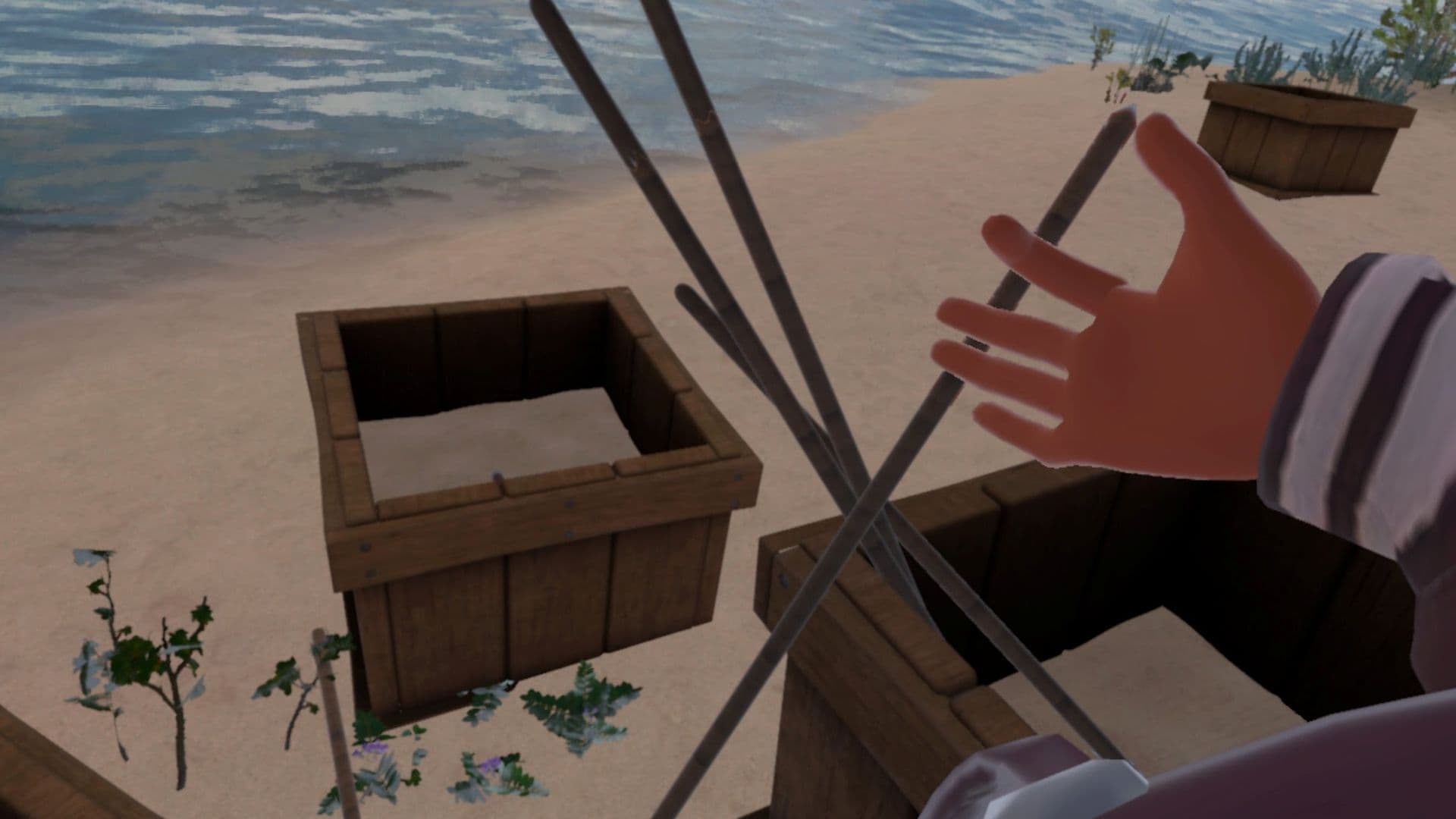
An outdoor environment where students make choices together and live with them: crafting tools, fishing, building a fire. It is the richest of the three for content work (ecology, geography, resource use) and the one where disagreement is most productive, because every decision has a visible consequence.
The firepit
Outdoor Survival contains a storytelling space where several students can be present at once and take turns narrating what happened. Because the session runs in a shared lobby, they do not have to be in the same room, or the same country. A class in Split and a class in Sofia can sit at the same fire and tell each other the same story.
Language it produces
- Suggesting, agreeing, disagreeing, reaching consensus
- Conditionals and consequence
- Narrative tenses for retelling
- Nature, weather, terrain and resources
Jobs for the class
- Strategist proposes and defends the plan
- Narrator builds the account for the firepit
- Vocabulary Expert
- Evaluator
- Scribe
Beyond language
- CLIL: ecology, geography, environmental systems.
- Green skills: resource decisions and sustainability reasoning.
- Soft skills: leadership and consensus-building.
VR4LL 2.0 – Game of Phones – In VR video
Virtual Escape Room · One explorer, whole class
A Game of Phones
Read the hacked messages aloud. The class solves what you can’t.
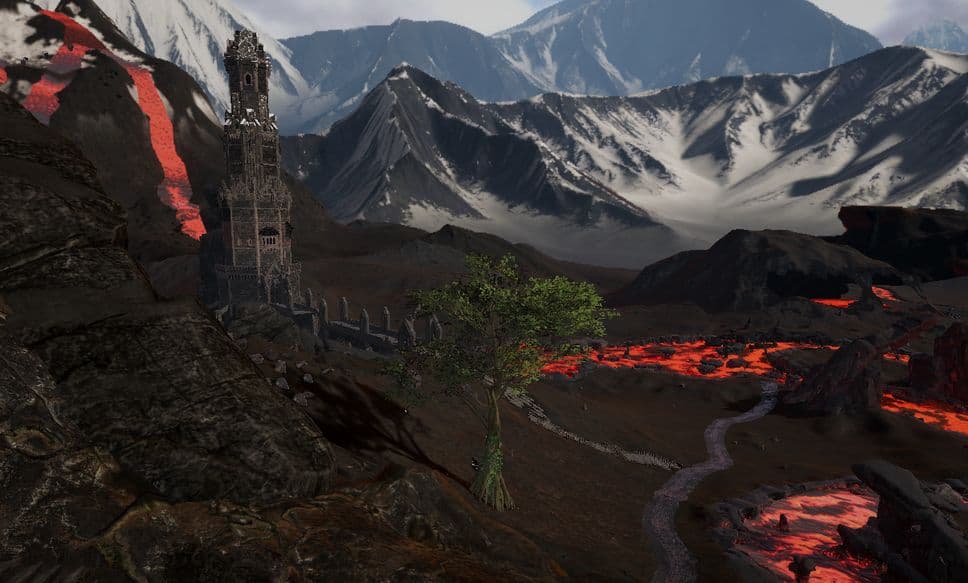
A single student enters a world where the phones are talking. Messages, questions and challenges arrive on screen, and the only way anyone else finds out what they say is if the student reads them out.
That is the whole design. The explorer holds all the information and none of the answers; the class holds all the answers and none of the information. And the puzzles themselves turn out to be about language: from shapes and numbers to how many languages exist in the world, and how many of them are disappearing.
Language it produces
- Reading aloud accurately and being understood
- Asking for repetition, clarification and spelling
- Explaining and paraphrasing
- Numbers, categories, quantifiers
Jobs for the class
- Scribe writes down every message as it is relayed
- Vocabulary Expert decodes unfamiliar terms live
- Strategist decides which lead to follow
- Language Monitor asks for anything unclear to be repeated
Beyond language
- Soft skills: active listening, clear delivery under pressure, group coordination.
- Awareness: European multilingualism and language endangerment are built into the puzzle content.
VR4LL 2.0 – Burglar Puzzle – In VR video
Virtual Escape Room · One explorer, whole class
The Burglar Puzzle
Follow the clues through the mansion and name the mastermind.
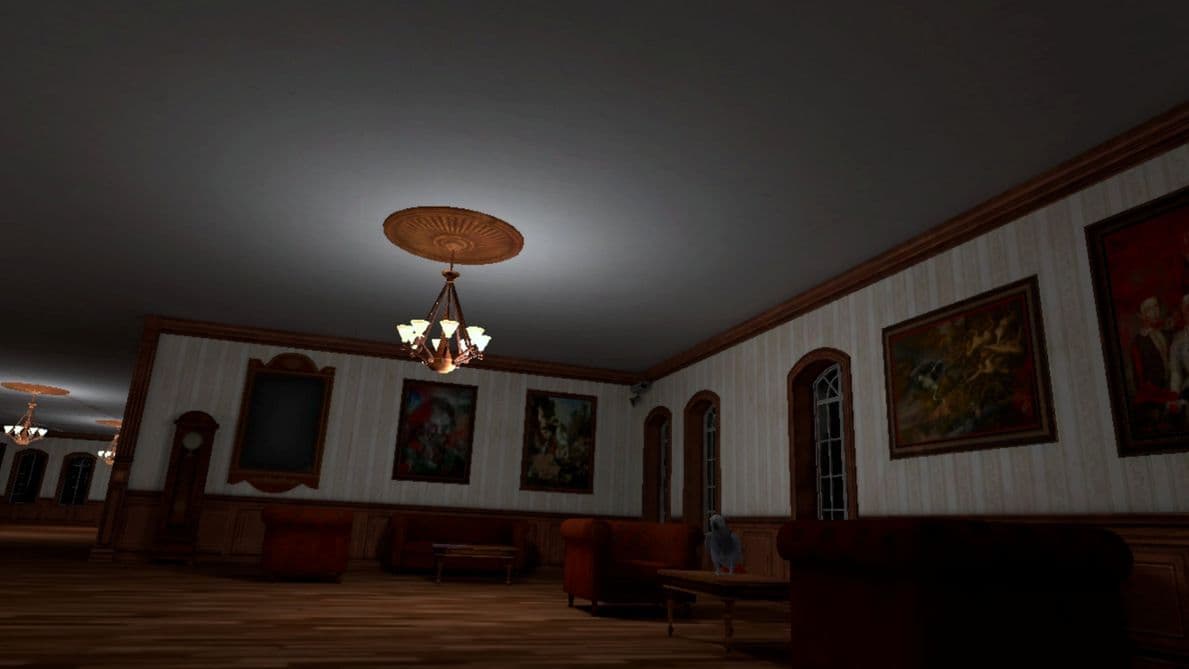
Your student is a private investigator. A necklace has been stolen from a mansion, the CCTV shows the burglar going in but never coming out, and the only other evidence is a torn blueprint of the house.
What follows is a chain of deductions across the mansion, a CCTV room, a hidden basement and eventually a police station. Each clue only matters if the explorer describes it accurately enough for the class to connect it to the last one, which is exactly the problem the lesson is built to create.
Language it produces
- Past simple and continuous for reconstructing events
- Deduction and modality (must have, could have, can’t have)
- Describing appearance, objects and places
- Question forms
Jobs for the class
- Scribe maintains the case file
- Strategist decides what to investigate next
- Evaluator tests whether a theory fits the evidence
- Journalist writes the report once the case closes
Beyond language
- Soft skills: logical reasoning, evidence handling, collaborative deduction.
- Digital literacy: navigating VR interfaces: CCTV systems, keypads, maps.
Get set up
Free. No licence, no account, no per-student cost.
Download once and you have all five environments.
What you need
- A Meta Quest 2 or Meta Quest 3
- Stable Wi-Fi, especially for multiplayer
- About 2 × 2 m of clear floor per headset
- A screen to mirror to, so the class can see what the explorer sees
Download
The two VR4LL 2.0 apps, Learning Environments and Escape Rooms, are on their way to the Meta Horizon Store. The links will appear here as soon as they are published.
For news, follow the project on Facebook, LinkedIn or Instagram, or write to us.
The original VR4LL app from the first project, with its four virtual worlds, is also still free on the Meta store.
The original VR4LL appYou have the app. Now the lesson.
Twenty students, one headset. Here’s what to do.
Downloading takes five minutes. Knowing what to do with twenty students and one headset takes a bit more. The free course covers exactly that.
Start the teacher course